No more delays, right to the facts, Burgundy asserts itself with its sharp white wine, yes, everyone talks about Chablis, the famous French gem, fresh and mineral, an enigma in a glass, revered from Japan to Canada. The fascination runs deep, sommeliers do not compromise, every wine list claims a place for this legend. Want to unravel the secrets that make it indispensable? Burgundy would never forgive carelessness about wine, especially about this one.
The origin and identity of Chablis, why such a French icon never fades
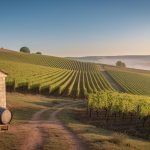
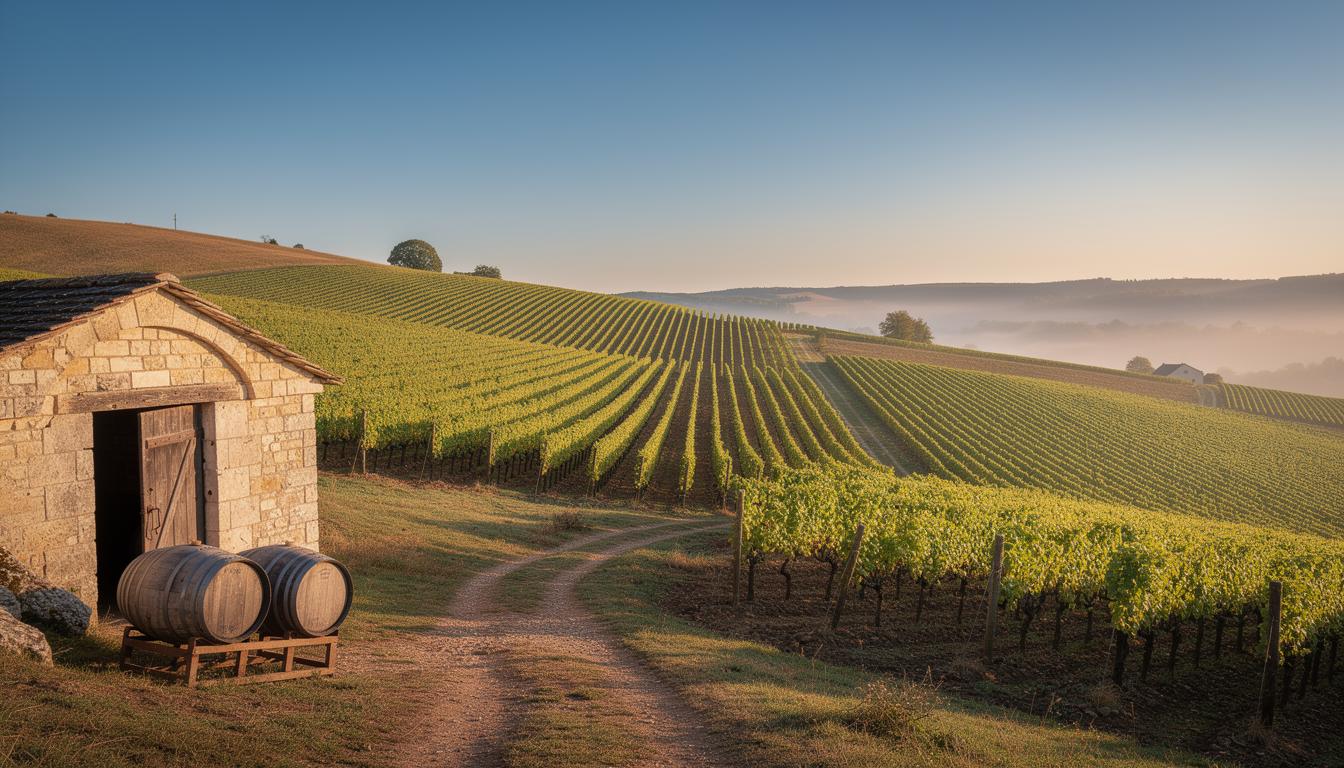
Burgundy draws its map with pride, noble appellations, yes, yet at the very north, something entirely apart, almost a small republic: the village of Chablis, in Yonne. The wind stings, the light hesitates, vines roll in waves to the horizon, and you sense tension—everyone here expects greatness from limestone. The story does not rest, Romans planted roots, monks of the twelfth century sketched out plots, seeking not just grapes, but geology, those monks never failed to chase the best slopes.
Also to read : Discover artisanal cutlery: a blend of craftsmanship and history
Geology does not lie, Kimmeridgian marl, ancient seabeds, fossils whisper every time the glass meets your lips, what a gift for anyone curious about origins.
If pointing to Chablis on a map, surprise—vines defend themselves in narrow bands, separated deliberately from the Côte d’Or. This is not just pride, it is a strength. No other white of Burgundy lives with such tension, such electricity in the glass. Ancient fossil beds reveal themselves with each pour, miners’ hands confirm it, morning after morning, a minor miracle. For those ready to explore authentic bottles, you can find an excellent Chablis with advice from the CAVE.
Also read : What are the secrets to crafting a perfect Sunday roast?
The importance of terroir in Chablis, soil fused with fate
No one pronounces Kimmeridgian and Portlandian for fun, those in love with Chablis grasp it’s about the tension, the soil, the chill from the river Serein, drama every spring with the threat of frost. Soils that will either devastate or concentrate, the hunt for the perfect parcel does not cease. Only some slopes shrug off frost, these inherit all the glory.
Few regions match the cold grip of this land, bracing freshness results, and legend grows with each difficult vintage.
A crop at dawn, say the pickers, brings out something special—the anticipation vibrates. Ancient, oyster-filled soils keep insisting on their power, blind tastings become child’s play for the expert.
The appellations and classifications of Chablis, decoding labels and knowing what’s in the bottle
Few places opt for such a clear voice split, quick impact starts with Petit Chablis, carved from higher, sandier slopes, always immediate, always direct. Chablis proper comes from the village’s heart, flaunting that flinty signature everyone recognizes. Move up a notch, Premier Cru, nearly forty celebrated sites on the sunniest ridges, require patience. Grand Cru—one famous hillside, seven legendary plots, only a tiny share of production. Scarcity whips up obsession. The intrigue continues with labels, Premier Cru whispers of depth, Grand Cru thunders and demands time. Wondering which will best suit an evening’s ambition or a secret craving? Here is the cheat sheet, nothing more practical for decisions:
| Vineyard Name | Notable Producers | Distinctive Style |
|---|---|---|
| Montée de Tonnerre, Premier Cru | Dauvissat, Raveneau | Laser focused, smoky, potential for years in the cellar |
| Montmains, Premier Cru | Louis Michel, Billaud-Simon | Supple, round, floral, always charming |
| Les Clos, Grand Cru | William Fèvre, Vocoret | Structured, mighty, for the patient collector |
| Vaudésir, Grand Cru | Louis Moreau, Chanson | Elegant, floral hints, exquisite texture, often creamy |
A regular at tastings in Paris once admitted after a first sip, “Grand Cru? Feels like a cathedral, knees buckled, and not just with age.”
The grapes and winemaking craftsmanship, what sets Chablis so far apart
The role of Chardonnay in Chablis, a single face, endless expressions
One grape enters the scene: Chardonnay. Yet it vanishes behind the stony signature, never mimics the buttery bravado of California. In the Yonne, purity shouts louder than indulgence, most winemakers reach for stainless steel, so the electric fruit never dulls. Old barrels—never new—sometimes whisper in bottles from masters like Dauvissat or Raveneau, never enough to blur the soil’s presence. Certain noses swear they pick out Chablis every time, no matter the vessel, transparency always takes priority. Seek flash? Go elsewhere, the thrill here is restraint.
The winemaking techniques, a quest for perfect clarity
The cellar chills, tanks gleam, the barrels sleep behind. Fermentation usually takes place in steel for brightness, richer Cru rest on the lees for a short while, the texture arrives subtle, always in harmony with the lightning acidity. Sometimes there’s a nudge from neutral barrels, but never an overpowering nod to oak. Plot by plot, winemakers wrestle tradition and modern tools, harvest after harvest.
Lees aging brings dimension, Grand Cru bottles emerge after years with astonishing layers, lime, hazelnut, something distinctive every time.
The tasting profile and styles, flavors and the art of decision
The aromas, textures, and what actually happens in the glass?
The first pour reveals lemon, apple, stone, a mineral streak that rivals any white. Oyster shell drifts in the nose, sometimes flint, the race on the palate sharp, always cleansing, always ready for the next sip. Youth means brightness leads, the soul of salt and wind dances on the tongue. Aged bottles from the best slopes grow more complex, honey and warm spice, roasted nuts for good measure. Every swirl lingers between strict and seductive, chefs from Tokyo to Paris put faith in this acidity when oysters land on tables. Why do they love it? One mouthful, one sip, the pairing clicks.
The differences by appellation and bottle’s age, how does the wine evolve?
Petit Chablis punches with zest, best early. Village wines center on fruit and stones, perfect with roast chicken or that goat cheese snack. Premier Cru unspools intensity slowly, the years reveal more weight. Grand Cru tests patience, only after sleep does it come alive, from power to opulence, never the same from one year to the next. Burgundy’s own board points to vintages like 2014 and 2017 for legendary results, an arc in a bottle: stone and salt, then quince, saffron, roasted nuts.
The food pairings and serving advice, every bottle deserves a moment
The perfect partners for Chablis, unexpected matches guaranteed
White wine and oysters, the cliché holds true, lunchtime on the terrace, Chablis chills next to icy seafood. Fish in beurre blanc, sushi, goat cheese? The zest slices through fat, the mineral quality flatters. Even truffled chicken finds a friend, the wine never shouts over the flavors. Surprised? Maybe, but never disappointed. Sushi, soft cheese, tempura, Chablis adapts, that’s the secret of its status.
A chef from Paris once declared, “Guests hesitate until Chablis lands and silence gives way to empty plates, everyone beams.”
- Chablis stands out for seafood pairings, but dares chicken or spicy dishes too
- Only a gentle chill does the wine justice, never dump it in ice
- A tulip glass enhances every swirl, never hide the aromas
- Older bottles profit from decanting, magic appears with patience
The best way to serve, small changes make a world of difference
No need for an ice bath, a gentle chill between 8 and 12°C makes the wine’s structure sing. Too cold and everything vanishes, flavors slip beneath the surface. Glassware matters: tulip shapes give the aromas room to roam. When a Premier Cru or Grand Cru wakes after a short decant, new notes appear—hazelnut, beeswax, brine, a collector’s secret revealed. Details count for those who crave perfection.
The leading producers and vintage questions, who and when to trust?
The renowned domaines, names to hunt on every shelf
No bottle moves a soul without the hand of a grower, a family with memory. William Fèvre pursues absolute purity, each vintage targeted for brightness. Dauvissat, Raveneau, the guardians of tradition, control the most awaited lots, always first to disappear. Laroche balances new tools and deep experience, vines worked for decades. Long-Depaquit, Louis Moreau, Billaud-Simon—all chase their idea of perfection, the differences leap out in tastings. Vintage never repeats itself, the dance continues.
Lay out four bottles, from four domains, and the spectrum unravels, never monotony, always surprise.
The impact of vintage, weather rules the region
Burgundy refuses repetition. Cool years like 2014 or 2017 deliver racy acidity, structure built for the long run. Warm vintages such as 2018 round the fruit, more pleasure right away. No two harvests meet, hail, frost, rain shape fortunes. Collectors flock to the unpredictable; risk tastes better with reward. The Burgundy Wine Bureau rates 2014 and 2017 Vintage stars for aging. In 2021, disastrous frost cut yields in half but brought rare concentration for survivors.
The practical guide for selecting and storing bottles worth guarding
The advice for buying true Chablis, shopping without regrets
Check the label, clear mention of AOC assures real wine. Trusted importers, reputable merchants avoid disappointments. Premier Cru and Grand Cru signal higher quality, but never ignore producer profiles. Critics’ notes often tip the scales. Storage dreams do not trump practical advice, mistakes happen with shady online sales. Sometimes, one expert word replaces an ocean of user scores.
The storage conditions, protecting the liquid story
No one asks for a palace, just a steady, cool spot, darkness, between 10 and 14°C. Humid air above 50% keeps the corks alive, bottles horizontal, sealed from time. Drink Petit Chablis and standard bottles within five years for maximum verve, patience for Grand Cru, a decade brings its rewards. Some stash, others uncork. Storage honors the wine’s rhythm, the story waits until the bottle calls.
An anecdote, just outside the region, a producer unearthed a 2005 Grand Cru “Les Clos,” the color sharp, the air quieted. Hazelnut, orange, salt exploded from the glass. One taster, stunned, uttered, “They always told me white wine does not age. I contest that now.” Chablis, in the right hands, endures, outshines trends, and sparks awe.
Questions linger: has the moment for the perfect bottle arrived, will patience pay dividends? Eyes on the glass, stories ready to unfold, that tension never tires the palate.